


When your baby won’t take a bottle, it can feel incredibly stressful, especially if you’re heading back to work, trying to introduce formula, or simply need some time away. You’re not alone in this struggle. According to the American Academy of Pediatrics, many breastfed babies initially resist bottle feeding, and it’s one of the most common concerns our newborn care specialists at Kansas City Newborn Care help families work through. The good news? With patience, the right approach, and sometimes a little professional guidance, most babies can learn to accept a bottle.
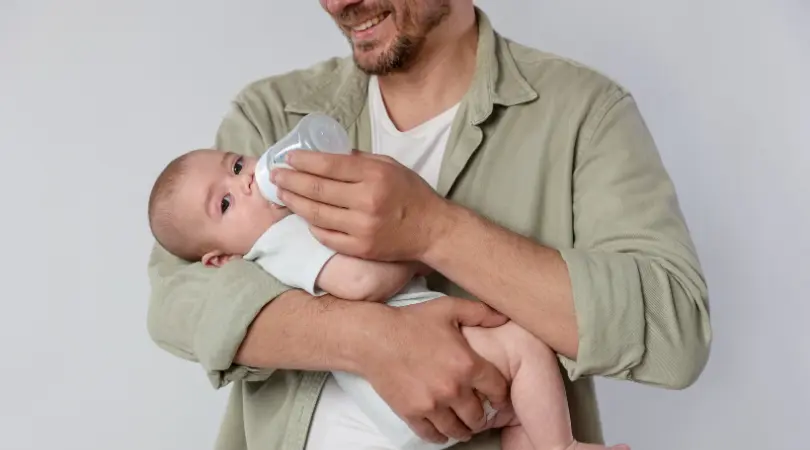
Why Your Baby Won’t Take a Bottle
There are several reasons babies resist bottles, and understanding the “why” is the first step toward finding a solution. It can take some trial and error to figure out what’s going on with your specific baby. Here are the most common causes our professionals encounter.
Preference for Breastfeeding
If you’re breastfeeding, your baby may prefer the comfort and closeness of nursing over the bottle, and that’s completely okay. Babies become attached to the specific flow, warmth, and feel of the breast. A bottle nipple feels different in their mouth, and some babies resist that change strongly. The breast also provides comfort beyond nutrition, so your baby may associate feeding time exclusively with being close to you.
Try introducing the bottle after a good nursing session when baby is calm and content. Let baby “play” with the bottle and get used to the feel of the nipple before it’s a desperate, hungry situation. We don’t want baby to be overly hungry or fussy during the first few tries. We also suggest having someone else offer the bottle so baby doesn’t associate it with you and wonder why they can’t just nurse instead. Our newborn care professionals are pros at helping babies get used to the bottle with time and patience.
Nipple Confusion and Flow Issues
Some babies experience nipple confusion when switching between breast and bottle, especially if the bottle’s nipple flow rate doesn’t match what they’re used to. A nipple that flows too fast can overwhelm a baby who is accustomed to controlling milk flow at the breast. A nipple that’s too slow can frustrate a hungry baby who has to work harder than expected.
Try different nipple types with a slower flow rate to better mimic breastfeeding. Wide-neck bottles can feel closer in shape to the breast. Experiment with various bottle brands, but don’t switch too quickly. Give each option at least a few days before moving on. Most babies just need time and patience to figure out their new feeding option. For more detailed guidance on choosing the right bottle, read our post on the best baby bottles for healthy feeding.
Teething or Mouth Soreness
If your baby is teething or has any mouth discomfort, sucking from a bottle can be painful. Teething can make gums swollen and sensitive, and if your baby isn’t already familiar with the bottle, the combination of a strange object and sore gums creates a double barrier. Even babies who previously accepted bottles sometimes refuse them during active teething periods.
If you suspect teething is the issue, offer a cold teething toy before the bottle to help numb the gums. Try offering the bottle at different times of day when discomfort may be lower. Sometimes slightly chilled breast milk or formula can feel soothing on irritated gums, but always check with your pediatrician before making changes to milk temperature.

Missed Hunger Cues
Timing matters more than most parents realize. Sometimes babies refuse the bottle simply because they aren’t hungry yet. Other times, you’ve waited too long and baby is too upset and frustrated to focus on feeding. Paying close attention to your baby’s early hunger cues is essential for successful bottle introductions.
Offer the bottle when your baby shows early hunger signs like rooting, bringing hands to mouth, or making sucking motions. Don’t wait until they’re crying, which is a late hunger cue. If you’ve missed the window, soothe baby first and try again when they’re calm. Babies are forgiving, and one missed attempt doesn’t set you back permanently.
Temperature Sensitivity
Breast milk comes out at body temperature, and some babies are very particular about the temperature of their bottle. Milk that’s too cold or too warm can lead to immediate rejection. Test the milk on the inside of your wrist before offering. It should feel lukewarm, not hot or cold. Some babies prefer milk closer to body temperature, while others surprise their parents by happily taking room-temperature bottles.
Environmental Distractions
Babies are surprisingly aware of their surroundings. A noisy room, bright lights, or the presence of a breastfeeding parent nearby can all distract a baby from accepting a bottle. Some babies need a quiet, dimly lit room and a calm caregiver to focus on this new feeding method. Others do better with gentle movement, like being walked while bottle feeding.
7 Proven Strategies When Your Baby Won’t Take a Bottle
Now that you understand why bottle refusal happens, here are seven strategies our newborn care specialists use successfully with Kansas City families.
1. Use Paced Bottle Feeding
Paced feeding is a technique that mimics the rhythm of breastfeeding. Hold baby in a semi-upright position, hold the bottle horizontally, and allow baby to draw milk at their own pace. Take breaks every few minutes by tilting the bottle down. This prevents overwhelming the baby with fast milk flow and gives them control over the feeding experience, just like they have at the breast. The American Academy of Pediatrics via HealthyChildren.org recommends paced feeding for all bottle-fed babies.
2. Let Someone Else Offer the Bottle
When a breastfeeding mom holds the baby and offers a bottle, baby often gets confused. They can smell your milk and wonder why they can’t just nurse. Having a partner, grandparent, or professional caregiver offer the bottle removes that confusion. Our newborn care specialists are experienced at this exact transition and often succeed on the first or second attempt because baby doesn’t associate them with breastfeeding.
3. Introduce the Bottle Early (But Not Too Early)
Many lactation consultants recommend introducing a bottle between 3 and 6 weeks of age. Before 3 weeks, breastfeeding may not be fully established. After 6 weeks, baby may be so attached to the breast that accepting a bottle becomes much harder. If you’re past that window, don’t panic. It just means you may need a more gradual approach and extra patience.

4. Start With Small Amounts
Don’t fill the bottle with 4 ounces and expect baby to drink it all on the first try. Start with just 1 ounce of breast milk. Let baby explore the nipple, taste the milk, and get comfortable with the experience without pressure. Over time, you can gradually increase the amount. The goal in the beginning isn’t to complete a full feeding by bottle. It’s simply to build familiarity and acceptance.
5. Try Different Positions
Some babies prefer to face away from the person feeding them, especially if they’re used to breastfeeding in a cradle hold. Try holding baby facing outward on your lap, or walk around the room gently while offering the bottle. Movement can be calming and distracting enough that baby latches onto the bottle without overthinking it.
6. Be Consistent Without Being Forceful
Consistency is key when your baby won’t take a bottle. Try offering the bottle at the same time each day so it becomes part of the routine. But never force the nipple into baby’s mouth or hold their head in place. Forcing creates negative associations that make bottle refusal worse. If baby turns away or cries, stop, soothe them, and try again later. Patience and gentleness always win in the long run.
7. Get Professional Help
If you’ve tried everything and your baby still refuses the bottle, it may be time to bring in expert help. Our overnight newborn care specialists and daytime support team work with bottle-resistant babies regularly. Sometimes a fresh set of hands and an experienced approach make all the difference. We can also help determine if there’s an underlying issue like a tongue tie or sensory sensitivity that might need further evaluation.
What Bottles Work Best When Baby Won’t Take a Bottle?
Not all bottles are created equal, and the right choice can make a significant difference for a reluctant feeder. Bottles designed to mimic the breast tend to have the most success with breastfed babies who are resisting the transition. Look for bottles with these features when your baby won’t take a bottle:
- Wide base nipple: Mimics the shape of the breast so baby can latch similarly to how they nurse.
- Slow-flow nipple: Prevents milk from flowing too fast, which can overwhelm breastfed babies who are used to controlling flow at the breast.
- Anti-colic venting: Reduces air intake during feeding, which can help prevent gas and discomfort that leads to bottle rejection.
- Soft, flexible silicone: Feels more natural in baby’s mouth compared to rigid nipples.
Popular options that our Kansas City families have had success with include the Dr. Brown’s Original, Lansinoh mOmma, Comotomo, and Philips Avent Natural. Every baby is different though, so what works for one may not work for another. Our post on the best bottles for healthy feeding and oral development goes into greater detail about choosing the right option for your baby’s needs.
The Emotional Side of Bottle Refusal
Let’s talk about something that doesn’t get discussed enough: how emotionally draining bottle refusal can be for parents. When your baby won’t take a bottle, it can trigger feelings of guilt, anxiety, and even resentment. Moms who need to return to work may feel panicked. Partners who want to participate in feeding may feel shut out. And the pressure of knowing your baby needs to eat creates a stress that colors every attempt.
Take a deep breath. This is temporary. Your baby isn’t doing this on purpose, and your frustration doesn’t make you a bad parent. Give yourself the same patience you’re giving your baby. Talk to your partner about sharing the stress. And remember that reaching out for professional help isn’t a last resort. It’s a smart, proactive step. For more on managing the emotional weight of early parenthood, read our post on self-care for new moms.
When to Talk to Your Pediatrician
Most bottle refusal is behavioral and resolves with patience and the right technique. However, there are situations where a doctor’s input is important. If your baby consistently refuses to eat from both breast and bottle, is losing weight, seems to be in pain while feeding, or has difficulty swallowing, schedule a visit with your pediatrician right away.
Conditions like tongue tie, lip tie, reflux, or milk protein sensitivity can all affect a baby’s willingness and ability to feed. A lactation consultant can also be an invaluable resource for identifying feeding issues and creating a plan. Many Kansas City families work with both their pediatrician and a lactation consultant alongside our newborn care team for a comprehensive approach to feeding challenges.

Frequently Asked Questions About Baby Bottle Refusal
At what age should I introduce a bottle to my breastfed baby?
Most lactation consultants recommend introducing a bottle between 3 and 6 weeks of age. This gives breastfeeding time to become established while still being early enough that baby is flexible about accepting new feeding methods. If you’ve passed this window, it’s not too late, but you may need more patience and a gradual approach.
How long should I try before switching to a different bottle?
Give each bottle and nipple combination at least 3 to 5 days of consistent tries before switching. Babies need time to adjust, and constantly changing bottles can add to the confusion. Focus on one bottle type with a slow-flow nipple and paced feeding technique before experimenting with alternatives.
Will my baby eventually take a bottle?
In the vast majority of cases, yes. Most babies who initially refuse a bottle will eventually accept one with consistent, patient effort. Some babies take a few days, others take a few weeks. The key is keeping the experience positive and stress-free. If your baby consistently refuses after several weeks of trying, consult your pediatrician to rule out any physical issues.
Can a newborn care specialist help with bottle refusal?
Absolutely. Our newborn care specialists at Kansas City Newborn Care have extensive experience with bottle-resistant babies. Because they’re not the breastfeeding parent, babies often accept bottles from them more readily. They also know the exact techniques, positions, and pacing methods that work best for reluctant feeders.
Should I stop breastfeeding to get my baby to take a bottle?
No. There’s no need to stop breastfeeding to encourage bottle acceptance. The goal is for baby to be comfortable with both options. Continue nursing as usual and introduce the bottle as a supplementary feeding method. Many families successfully combine breast and bottle feeding with the help of our postpartum doula support team.
What if my baby takes a bottle from others but not from me?
This is extremely common and actually a positive sign. It means your baby can physically accept a bottle but prefers to breastfeed when you’re available. Your scent and presence trigger the desire to nurse. The best approach is to let your partner, a family member, or a newborn care specialist handle bottle feedings while you’re in a different room. Over time, baby will become comfortable with bottles regardless of who’s offering them.
How do I prepare for returning to work if my baby refuses bottles?
Start the bottle introduction process at least 2 to 3 weeks before your return date. Practice daily with paced feeding, and have your childcare provider or partner do the feedings. If you’re running out of time and baby is still resistant, consider scheduling a few sessions with our daytime support team. We can work with your baby on bottle acceptance during the day so the transition to childcare goes smoothly.
You Don’t Have to Figure This Out Alone
When your baby won’t take a bottle, it’s easy to feel frustrated, overwhelmed, and stuck. But this is one of the most common challenges new families face, and it’s almost always solvable with the right approach and enough patience. Give yourself grace, give your baby time, and don’t hesitate to ask for professional help when you need it. You’re doing a great job, even when it doesn’t feel like it.
At Kansas City Newborn Care, our specialists work with families on bottle introduction every week. We know the techniques that work, we bring a calm and experienced presence, and we’ve helped countless babies make the transition successfully. Check out our family reviews to see what other parents have experienced, or visit our pricing page to explore our service options.
Need help with bottle introduction? Schedule a free consultation today, or contact us to tell us what you’re experiencing. We’re here to help your baby and your family thrive.