

If you have just had a cesarean birth, your body is healing from major abdominal surgery while you also care for a newborn around the clock. Few experiences in life ask that much of a person at once, and few are as poorly understood by friends and family who assume “you’re home, so you must be fine.” You are not fine yet, and that is not weakness. C-section recovery typically takes six to eight weeks for the most visible healing and several months for full internal recovery, according to the American College of Obstetricians and Gynecologists, and roughly 1 in 3 U.S. births is now a cesarean. At Kansas City Newborn Care, we have supported many families through cesarean recoveries, and we know exactly what helps and what slows healing down. This guide walks you through the realistic timeline, the practical tips, and the kind of support that lets your body heal while your baby is cared for.
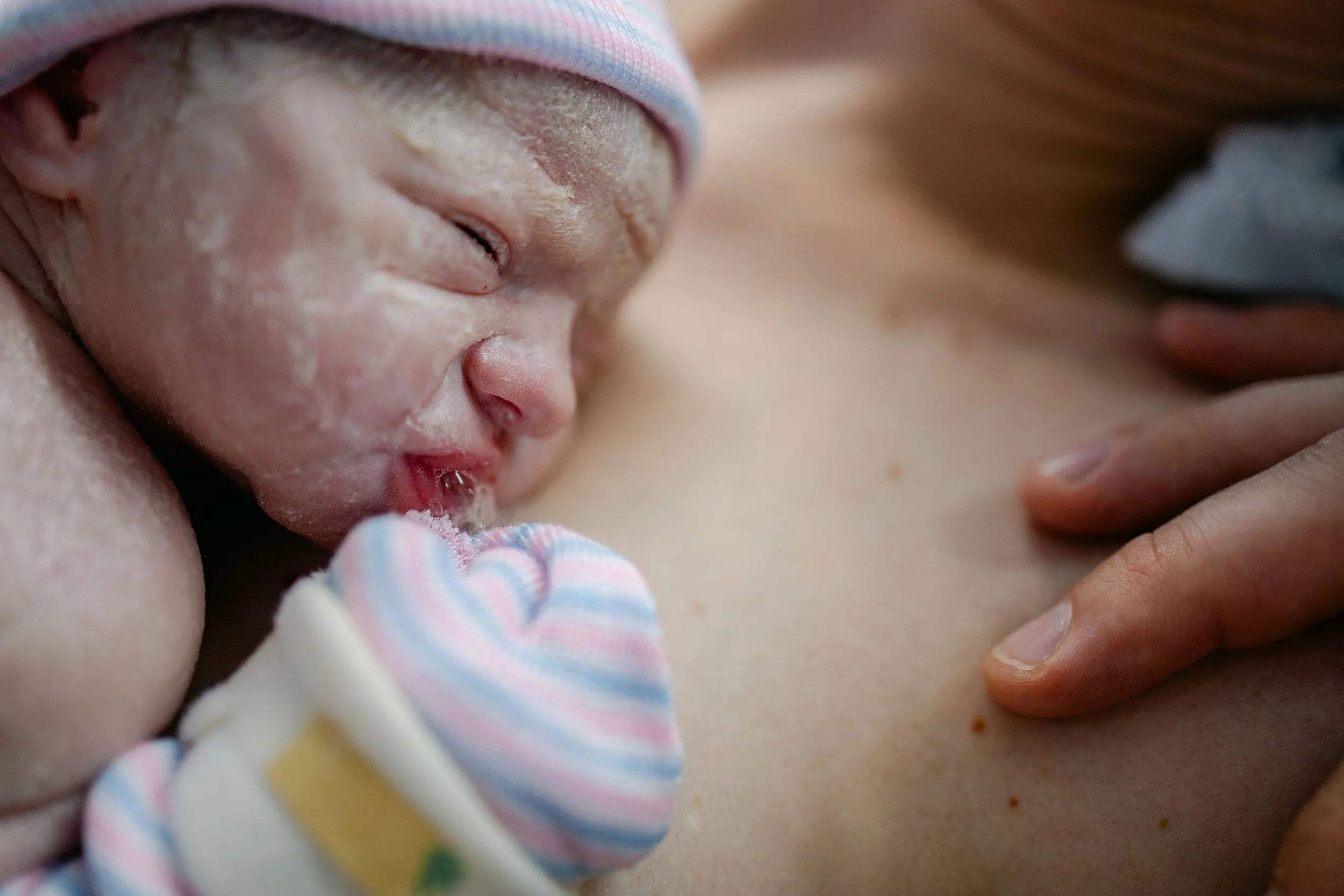
What Actually Happens During C-Section Recovery
A cesarean is a major surgery in which a surgeon makes incisions through the abdominal wall and uterus to deliver your baby. Recovery happens in several layers (skin, fascia, muscle, uterus), and those layers heal on different timelines. The visible incision usually closes within two weeks, but the deeper layers continue healing for months. That is why a c-section recovery feels confusing: you may look fine on the outside while your inner core is still mid-repair.
Common early-recovery experiences include incision soreness, gas pain (sometimes felt in the shoulders), uterine cramping while breastfeeding, fatigue that goes beyond regular new-parent tiredness, swollen feet and ankles for several weeks, occasional sensations of pulling or pinching at the incision, and slow return of normal bowel function. Most of these resolve gradually with time, gentle movement, and good support at home.
The Realistic 6-Week C-Section Recovery Timeline
Every body heals differently, but most c-section recoveries follow a predictable rhythm. Treat this as a general roadmap, not a deadline. If anything in your recovery feels off, contact your provider.
Days 1–3 (in hospital). You will be encouraged to walk within 12 to 24 hours. Pain is managed with medication, and short, slow walks reduce gas pain and blood-clot risk. Holding your baby and beginning to feed is often happening alongside catheter removal and the slow return of basic mobility.
Week 1 at home. Pain is usually most intense in the first three to five days at home. Keep up with prescribed pain medication on schedule rather than waiting for pain to spike. Sleep in short stretches, accept all help offered, and focus only on feeding the baby and feeding yourself.
Week 2. The incision is closing visibly. Many women feel slightly more mobile but tire quickly. You may begin to notice itching at the incision (a healing sign). Avoid lifting anything heavier than your baby, and continue not driving while taking opioid pain medication.
Weeks 3–4. Energy slowly returns. Most women feel comfortable doing light household tasks and short outings. Heavy lifting, vigorous exercise, and intense core work are still off-limits. Sex and tampon use are typically restricted until your six-week postpartum visit.
Weeks 5–6. The six-week postpartum visit is where your provider evaluates your incision, abdominal core, and overall recovery. Many women are cleared to return to most normal activities at this point, though some restrictions may continue based on your individual healing.
Months 2–6. The deepest layers of muscle and fascia continue healing. Many women only feel “fully themselves” between three and six months postpartum. Pelvic floor physical therapy is increasingly recommended in this window, and Kansas City has several excellent specialists.

Caring for Your Incision
Incision care is straightforward but important. Your specific instructions come from your surgeon, but most c-section recoveries involve the following.
Keep the incision clean and dry. Showers are typically fine after the first 24 hours; baths usually wait until your follow-up. Pat (do not rub) the area dry after showering. Avoid lotions, oils, or creams on the incision unless your provider specifically recommends them. Wear loose, high-waisted underwear and pants that do not press on the incision. Maternity leggings, mid-rise to high-rise loose shorts, and oversized t-shirts work well in the first weeks.
Watch for signs of infection: increased redness, warmth, or swelling around the incision, drainage that is yellow or foul-smelling, opening of the incision, fever above 100.4°F, or worsening pain after the first week. Any of these warrants an immediate call to your provider.
Sleeping, Sitting, and Moving With a New C-Section
Mobility is one of the most underestimated parts of c-section recovery. Small adjustments in how you move can dramatically reduce pain and protect the incision.
Getting out of bed: Roll onto your side first, push yourself up with your arms, and let your legs swing down. Avoid sitting straight up using your core. Keep a pillow nearby to brace against your incision when standing.
Sleeping: Many women find side-lying with a pillow between the knees most comfortable. Sleeping on your back with a small wedge or pillow under the knees also works well. Avoid sleeping on your stomach until cleared by your provider.
Sneezing, coughing, or laughing: Press a small pillow firmly against the incision to brace it. This dramatically reduces pain and protects the healing layers underneath.
Lifting: Nothing heavier than your baby for the first six weeks. That includes laundry baskets, toddlers, large dogs, grocery bags, and car seats. If you have other children at home, ask another adult to handle lifting until you are cleared.
Feeding a Newborn During C-Section Recovery
Feeding can feel especially hard in the first weeks of c-section recovery because most positions involve some pressure on or near the incision. A few adjustments help.
For breastfeeding, the football hold and side-lying positions keep the baby’s weight off the incision. A nursing pillow that goes around your hips rather than over your belly helps significantly. If breastfeeding is painful or your baby is having trouble latching, a board-certified lactation consultant (IBCLC) consult in the first two weeks can prevent weeks of avoidable struggle.
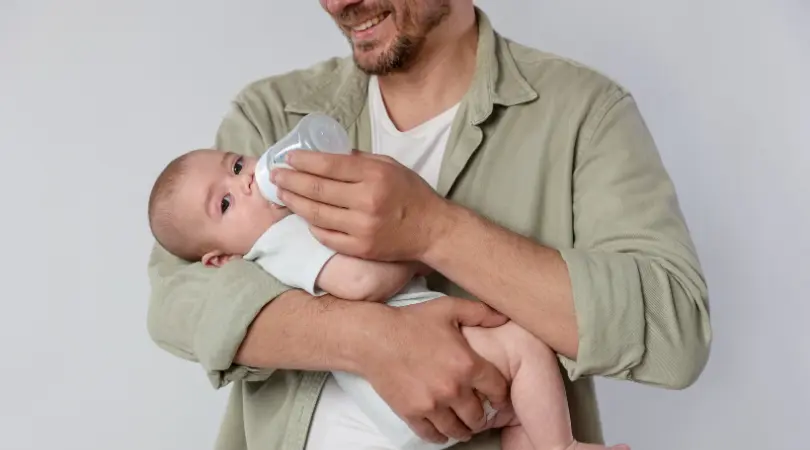
Many c-section moms find pumping early provides flexibility while they recover. See our pumping for beginners guide for a calm introduction. Bottles also let your partner or postpartum doula take some feeds while you sleep, which directly supports your healing. Our guide to bottle feeding covers paced bottle feeding technique.
The Emotional Side of a Cesarean Birth
Many women navigate complicated emotions after a c-section, especially if it was unplanned. Grief over a different birth experience, intrusive thoughts about whether something could have been done differently, and feelings of disconnection from the birth itself are all common and all worth talking about. None of these feelings make you a bad mother, and none of them make your birth less valid.
If you find that two or three weeks into recovery you are still struggling emotionally, or if you experience flashbacks, hypervigilance, or persistent feelings of failure, talk to your provider. These can be signs of birth-related trauma or postpartum mood disorders, both of which respond well to therapy with a perinatal-trained clinician. Our guide to postpartum anxiety vs. baby blues walks through the warning signs in more detail.
How a Postpartum Doula Helps With C-Section Recovery
A postpartum doula or newborn care specialist is one of the most useful supports a c-section family can put in place. The reason is simple: c-section recovery requires rest, and rest requires someone else handling the parts of newborn care that involve lifting, prolonged standing, walking the baby for hours, or staying awake all night.
At Kansas City Newborn Care, our team supports cesarean recoveries in three primary ways. Overnight newborn care means consolidated, healing sleep blocks of four to six hours rather than fragmented hour-at-a-time stretches that slow recovery. Daytime support means a calm, knowledgeable presence handling feeds, naps, light tidying, and the constant baby-holding that strains a healing core. Postpartum doula support includes emotional check-ins, nutritional guidance, and gentle education on how to move and care for yourself during early recovery.
Many of our families schedule a heavier package in the first two to three weeks of c-section recovery and gradually taper as energy returns. Read what families say about their experience on our reviews page or learn more about our team on the meet our team page.

When to Call Your Doctor
Most c-section recoveries are uneventful, but a few signs warrant immediate attention. Call your provider or seek emergency care if you experience heavy vaginal bleeding (soaking a pad in an hour), sudden chest pain or shortness of breath, severe headache that does not respond to medication, leg swelling, redness, or pain (which can indicate a blood clot), fever above 100.4°F, signs of incision infection (drainage, redness, opening, or warmth), or thoughts of harming yourself or your baby.
You are not bothering your provider by calling. C-section complications are most treatable when caught early, and reaching out is exactly what the postpartum care team is there for.
Frequently Asked Questions About C-Section Recovery
How long is c-section recovery?
Most women experience the most intense recovery in the first two weeks, with significant improvement by six weeks postpartum and full internal healing continuing for several more months. Pelvic floor and core function often take three to six months to fully return.
When can I drive after a c-section?
Most providers clear driving at two weeks, provided you are no longer taking opioid pain medication and can comfortably perform an emergency stop without guarding the incision. Your specific provider may recommend a different timeline.
When can I exercise after a c-section?
Gentle walking is encouraged from day one. Light returning-to-exercise is usually cleared at the six-week visit, with a slow ramp-up. Core-intensive workouts and high-impact activity may need to wait longer. Many women benefit greatly from working with a pelvic floor physical therapist before returning to higher-intensity exercise.
Can I have a vaginal birth after a c-section (VBAC)?
Many women are candidates for VBAC, and ACOG supports it as a safe option for most. Whether VBAC is right for you depends on your specific circumstances, your provider’s experience, and the hospital’s policies. If a future VBAC is on your mind, ask your provider when planning your next pregnancy.
Will my c-section affect breastfeeding?
Many c-section moms breastfeed successfully. Common challenges include slower initial milk-supply build (because of surgical recovery and sometimes IV fluids), difficulty finding comfortable positions, and the additional fatigue of recovery. An IBCLC consult in the first two weeks resolves the majority of these issues. Football hold and side-lying are often the most comfortable positions during early recovery.
Healing Is the Job. Let Us Help You Do It.
C-section recovery is real, demanding work, and it deserves the same intentional support that recovery from any major surgery would. The faster you can rest, eat well, and let other people handle the physically demanding parts of newborn care, the faster your body heals.
If you live in the Kansas City metro and would like a calm, experienced postpartum doula or newborn care specialist supporting your c-section recovery, our team is here. Visit our why-us page to learn more about our approach, see flexible options on our pricing page, or jump straight to scheduling a free consultation. The earlier you reach out, the easier it is to schedule the heavier early-recovery support that makes the biggest difference.
Ready to focus on healing while we focus on the baby? Contact Kansas City Newborn Care today and let our team help you recover from your cesarean with the kind of support every new mom deserves.